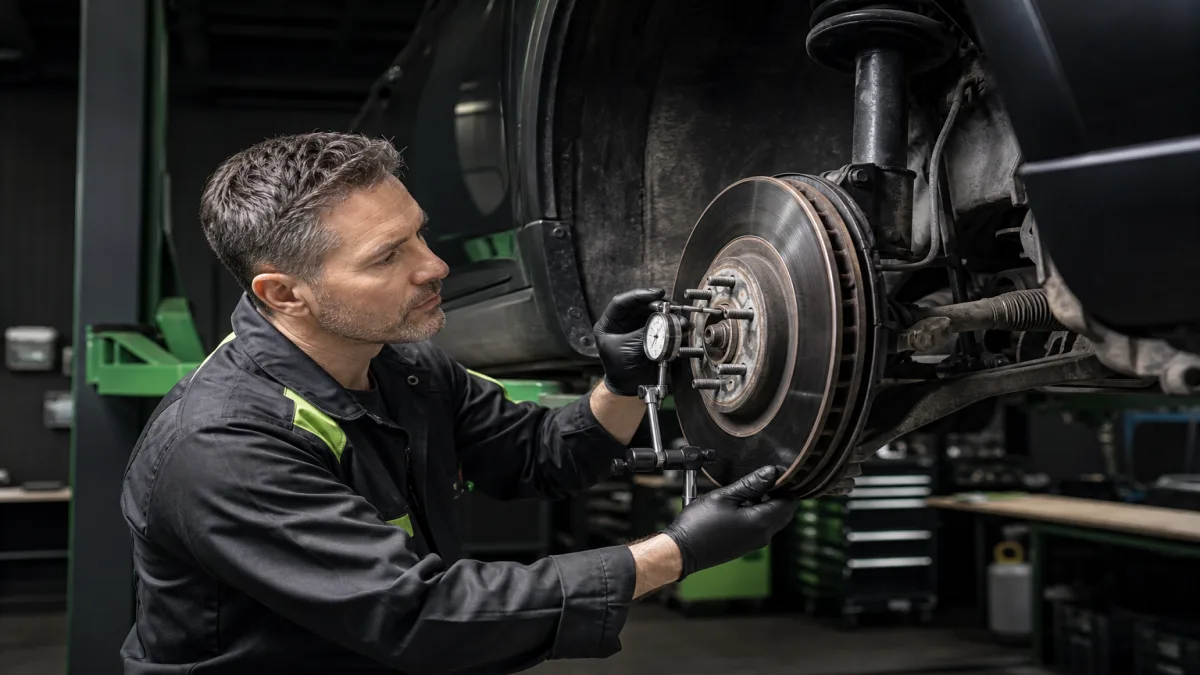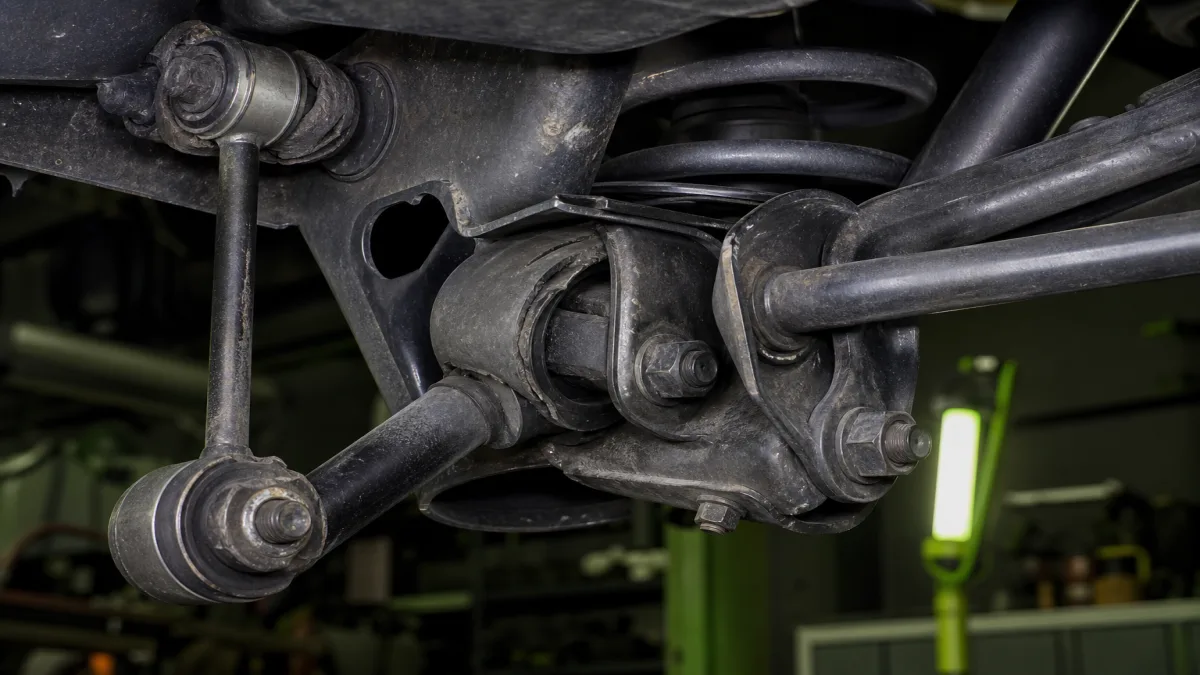
Rear suspension components do not fail on a universal schedule. The same bushing, torsion element, or stabilizer mount can last 80,000 miles on open highway routes and show significant deterioration at 45,000 miles in dense urban traffic. At vascularisq, we see this contrast daily — and it shapes how we advise clients on inspection intervals and part selection.
Why Driving Environment Changes Wear Patterns
City driving subjects rear suspension to repeated compression and rebound cycles at low speeds. Every pothole, speed bump, and curb strike forces bushings to absorb lateral and vertical loads that highway cruising rarely produces. Heat buildup in rubber compounds accelerates when components never fully cool between cycles.
Highway operators face a different profile: sustained load, minimal steering input, and consistent vibration frequencies that fatigue metal links and torsion bars over long distances. Fleet vehicles carrying partial loads stress rear beam axles asymmetrically — a pattern city commuters with empty cargo areas never replicate.
Components That Wear Fastest in Urban Conditions
Stabilizer bar bushings and end links
Stop-and-go cornering and frequent lane changes load sway bar mounts repeatedly. Polyurethane and rubber bushings develop cracks that allow clunking over bumps long before torsion bars themselves show measurable deflection. Urban clients often report noise before they notice handling changes.
Spring perches and jounce bumpers
Repeated full suspension compression — common when navigating uneven city streets — compresses bump stops beyond their design envelope. Cracked or flattened bump stops allow metal-on-metal contact that damages spring seat cups and creates ride-height inconsistencies.
Highway and Long-Haul Wear Signatures
Torsion bars and rear leaf packs on commercial chassis accumulate fatigue cracks at mounting points rather than in the elastomer sections. Vibration at constant RPM can loosen U-bolt torque on rear axles, shifting pinion angles and contributing to driveline vibration that clients sometimes misattribute to steering components.
We recommend long-haul operators inspect rear axle mount hardware every 25,000 miles and measure ride height against manufacturer specs. Small deviations often precede visible bushing failure by several thousand miles.
Inspection Milestones We Recommend
- City drivers: visual bushing inspection every 30,000 miles; full rear suspension assessment at 50,000 miles.
- Mixed use: assessment at 40,000 miles with focus on stabilizer links and spring seats.
- Highway and fleet: mount hardware torque check every 25,000 miles; torsion bar and axle alignment review every 50,000 miles.
Matching parts to duty cycle matters as much as timing. Urban compounds resist heat and abrasion better; highway-rated hardware prioritizes load capacity over compliance. Tell your advisor how you actually drive — that conversation prevents premature failure and unnecessary replacements.