A maintenance schedule copied from an owner's manual treats every van in a twelve-unit delivery fleet identically — even when three vehicles run interstate routes, five cover urban stop-and-go loops, and four sit idle two days per week. At vascularisq, fleet calendars start with how each unit earns its mileage, not with a generic interval table.
Mapping Duty Cycles Before Setting Intervals
We begin with route profiles: average daily distance, load weight, idle time percentage, and road surface mix. Urban units accumulate brake and suspension wear faster than highway units at the same odometer reading. Idle-heavy routes stress cooling systems and batteries differently than continuous operation.
Document seasonal peaks — holiday delivery surges, summer construction contracts — and build maintenance windows during predictable slow periods. Preventive work scheduled during demand lulls reduces revenue loss from unplanned breakdowns during peak weeks.
Tiered Inspection Framework
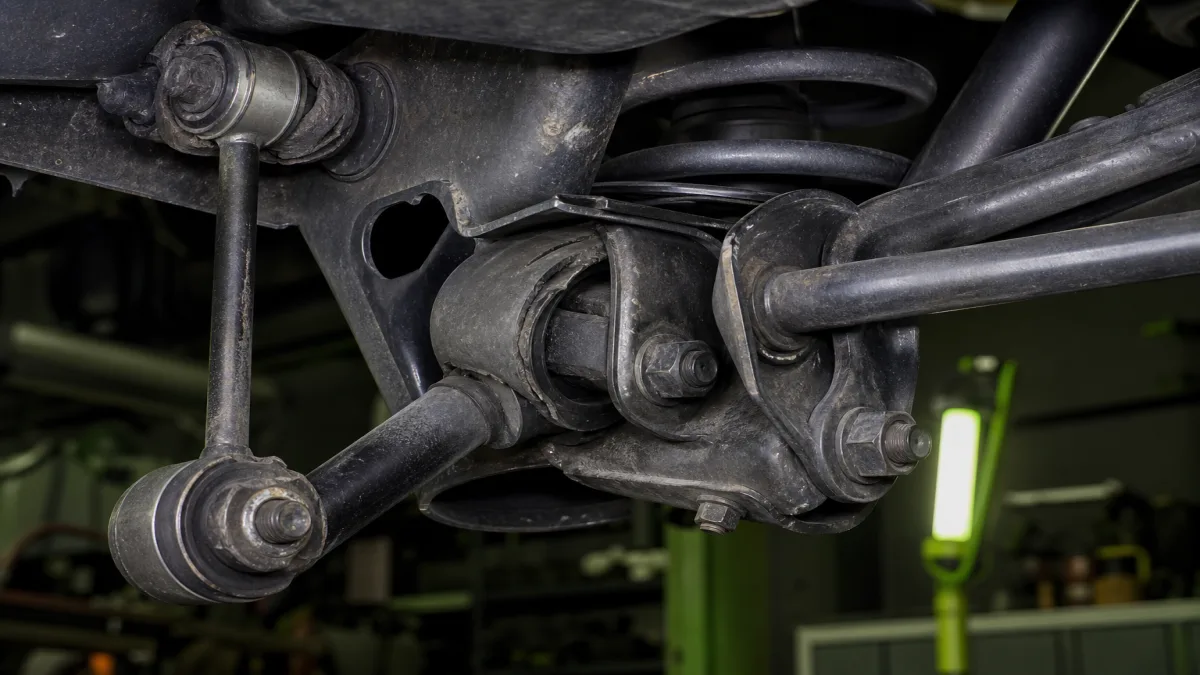
We assign each vehicle to a tier based on annual mileage and load severity. Tier A units receive full brake and suspension inspection every 15,000 miles. Tier B units extend to 20,000 miles with mid-cycle fluid checks. Tier C low-mileage reserve units follow time-based intervals regardless of odometer.
Every tier includes EVAP and emissions screening for commercial platforms subject to inspection requirements. Catching purge valve drift during scheduled service prevents failed roadside checks that sideline revenue-generating units.
Rotating Bay Access and Staggered Drop-Offs
Fleet managers often send multiple units simultaneously, creating shop bottlenecks and operational gaps. We stagger drop-offs so two units maximum occupy bays during a client's peak delivery window. Overnight secure parking at our Columbus facility allows after-hours intake for units that cannot leave routes during business hours.
A shared maintenance log tracks work history per VIN — parts installed, torque verification, and advisor notes about driver-reported symptoms. Continuity across visits prevents repeated diagnostics for issues already partially addressed.
Measuring Calendar Effectiveness
Track unplanned downtime events per 10,000 miles, repeat repair rate, and average days between shop visits. A calendar that works reduces emergency tow frequency without inflating total shop days. If preventive visits rise but breakdowns fall proportionally, the calendar is calibrated correctly.
Review the calendar quarterly with your fleet advisor. Route changes, new contracts, or vehicle replacements should trigger interval adjustments — not wait for a failure pattern to emerge.
Getting Started With vascularisq
Bring your fleet roster, typical weekly schedules, and the last six months of maintenance records to an initial consultation. We build a draft calendar within one working session and refine it after the first scheduled rotation cycle. Contact our fleet desk to arrange a review tailored to your operation.